

Pang Mapha Attractions in Mae Hong Son
Pang Mapha is a mountain district in Mae Hong Son Province, located between Pai and Muang Mae Hong Son on the famous Mae Hong Son Loop route. Also known by many travelers as Soppong, this quiet area is famous for limestone caves, forested mountains, hill tribe villages and peaceful rural scenery.
The main attractions in Pang Mapha include Tham Lod Cave, Mae Lana Cave, Soppong village, Ban Mae Lana, Ban Jabo, Ban Pha Mon and Ban Muang Pam. It is one of the best places in Mae Hong Son for travelers who enjoy caves, trekking, local culture and mountain landscapes.
This page introduces Pang Mapha attractions, trekking villages and tour options for visiting Pang Mapha as part of a Pai trip or a longer Mae Hong Son Loop package.
Visit Pang Mapha with Mae Hong Son Tours and Trekking Programs
Pang Mapha can be visited as part of a private Mae Hong Son Loop tour, a short Pai and Pang Mapha package, or a local trekking program from Mae Hong Son or Pai. The area is especially suitable for travelers who want to visit Tham Lod Cave, hill tribe villages, mountain viewpoints and quiet countryside.
- 2 Days Package Tour Chiang Mai to Pai – Pang Mapha – Short Pai and Pang Mapha tour with Tham Lod Cave
- 2 Days Package Tour Rafting along Pai River and Cave – Adventure-style tour with rafting and cave visit
- Mae Hong Son Loop 3 Day Tour – Classic short loop including Pang Mapha and Tham Lod Cave
- 4 Days All Highlights Mae Hong Son Loop Tour – Fuller Mae Hong Son route with more highlights
- 4 Days Package Tour Pai – Mae Hong Son Loop – Pai, Pang Mapha, Ban Rak Thai and Mae Hong Son town
- 4 Days Package Tour Mae Chaem – Mae Hong Son – Pai – Scenic rural route with Mae Chaem, Pang Mapha and Pai
Compare Mae Hong Son Tours that Visit Pang Mapha
Each Mae Hong Son tour package that visits Pang Mapha has a different route and travel style. Some programs focus on Pai and Tham Lod Cave, while others include the full Mae Hong Son Loop with more districts, caves, villages, temples and mountain scenery.
| Tour Program | Main Difference | Best For | More Info |
|---|---|---|---|
| 2 Days Package Tour Chiang Mai to Pai – Pang Mapha | This is the shortest Pang Mapha package. It focuses on Pai, Pang Mapha and Tham Lod Cave without doing the full Mae Hong Son Loop. | Travelers with limited time who want Pai plus one important Pang Mapha cave experience. | View tour |
| 2 Days Package Tour Rafting along Pai River and Cave | This 2-day package is more adventure-focused. It combines Pai River rafting, cave scenery and Pang Mapha nature. | Travelers who want a short adventure trip with rafting and cave exploration. | View tour |
| Mae Hong Son Loop 3 Day Tour | This is the classic short Mae Hong Son Loop. It includes Pai, Pang Mapha, Tham Lod Cave, Ban Jabo, Mae Hong Son town and other main highlights. | Travelers who want the main Mae Hong Son Loop highlights in only 3 days. | View tour |
| 4 Days All Highlights Mae Hong Son Loop Tour | This is the most complete highlight route. It includes more districts and attractions such as Mae Sariang, Ob Luang, Kaew Komol Cave, Mae Hong Son town, Pang Mapha, Tham Lod Cave and Pai. | Travelers who want the fullest Mae Hong Son Loop experience with more sightseeing time. | View tour |
| 4 Days Package Tour Pai – Mae Hong Son Loop | This route starts with Pai and continues to Pang Mapha, Tham Lod Cave, Ban Rak Thai, Mae Hong Son town and other loop highlights. | Travelers who want Pai, Pang Mapha caves, Ban Rak Thai and Mae Hong Son town in one route. | View tour |
| 4 Days Package Tour Mae Chaem – Mae Hong Son – Pai | This route adds Mae Chaem and scenic rural areas before continuing to Mae Hong Son, Pang Mapha, Tham Lod Cave and Pai. | Travelers who want rice terraces, mountain roads, rural villages and Pang Mapha caves. | View tour |
Which Pang Mapha tour package should you choose?
- Choose the 2 Days Chiang Mai to Pai – Pang Mapha Tour if you want a short trip with Pai and Tham Lod Cave.
- Choose the 2 Days Rafting along Pai River and Cave Tour if you want more adventure, river scenery and cave exploration.
- Choose the Mae Hong Son Loop 3 Day Tour if you want the classic loop route in a shorter time.
- Choose the 4 Days All Highlights Mae Hong Son Loop Tour if you want the most complete Mae Hong Son sightseeing route.
- Choose the 4 Days Pai – Mae Hong Son Loop Tour if Pai, Ban Rak Thai, Pang Mapha and Mae Hong Son town are your main interests.
- Choose the 4 Days Mae Chaem – Mae Hong Son – Pai Tour if you want rice terraces, rural mountain scenery and Pang Mapha caves.
Pang Mapha Trekking Options
Pang Mapha is one of the best trekking areas in Mae Hong Son. The district has limestone caves, forest trails, mountain viewpoints and traditional hill tribe villages such as Ban Mae Lana, Ban Jabo, Ban Pha Mon and Ban Muang Pam. Travelers can choose a one-day trek or a two-day homestay trek for a deeper local experience.
- Trekking at Ban Mae Lana – One-day trek with Shan / Tai-Yai culture, caves, forest trails and village scenery
- Trekking at Ban Jabo – One-day Black Lahu village trek with mountain views and local culture
- Trekking at Ban Pha Mon – One-day Red Lahu trek with stronger hiking, forest trails and village life
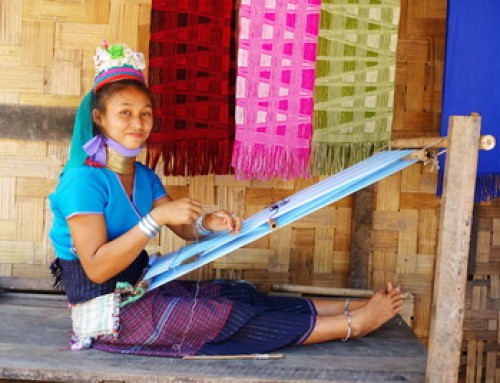
- Trekking at Ban Muang Pam – One-day Karen village trek with Lod Cave area, bamboo rafting scenery and local workshops
- 2-Day Trek at Ban Mae Lana – Two-day trek with Tai-Yai homestay, cave scenery, local cooking and village culture
- 2-Day Trek to Ban Pha Mon – Two-day Red Lahu homestay trek with forest hiking and cultural activities
- 2 Days Trekking to Ban Muang Pam – Two-day Karen homestay trek with rice fields, crafts, cooking and village life
- 2-Day Trek to Ban Jabo – Two-day Black Lahu homestay trek with mountain trails, music, dance and local cooking
Compare Pang Mapha Trekking Programs
Each Pang Mapha trekking program offers a different village experience. Some treks focus on caves and Shan culture, while others focus on Lahu or Karen villages, mountain trails, local crafts, cooking and overnight homestay.
| Trekking Program | Village / Area | Main Difference | Best For | More Info |
|---|---|---|---|---|
| Trekking at Ban Mae Lana | Ban Mae Lana | One-day trek with Shan / Tai-Yai culture, limestone scenery, caves, forest trails, rice fields and viewpoints. | Travelers who want a balanced nature and culture trek without staying overnight. | View trek |
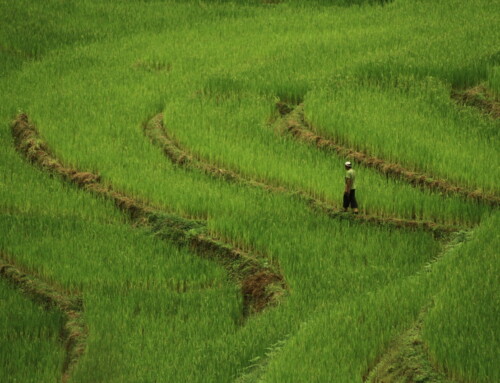
| Trekking at Ban Jabo | Ban Jabo | One-day Black Lahu village trek with mountain views, rice terraces, forest trails and local village culture. | Travelers who want scenic viewpoints and Black Lahu culture in one day. | View trek |
| Trekking at Ban Pha Mon | Ban Pha Mon | One-day Red Lahu trek with a stronger hiking route, forest scenery, streams, fields and village life. | Travelers who want a more active trekking experience. | View trek |
| Trekking at Ban Muang Pam | Ban Muang Pam | One-day Karen culture trek with Lod Cave area, bamboo rafting scenery, forest walking and local workshops. | Travelers who want caves, nature and Karen village culture in one program. | View trek |
| 2-Day Trek at Ban Mae Lana | Ban Mae Lana | Two-day version with more time for caves, forest hiking, Tai-Yai homestay, local cooking and village culture. | Travelers who want Shan / Tai-Yai culture and homestay experience. | View trek |
| 2-Day Trek to Ban Pha Mon | Ban Pha Mon | Two-day Red Lahu homestay trek with forest trails, village walk, cooking, herbal knowledge and cultural activities. | Travelers who want stronger hiking and Red Lahu village immersion. | View trek |
| 2 Days Trekking to Ban Muang Pam | Ban Muang Pam | Two-day Karen homestay trek with creeks, rice paddies, fish conservation area, weaving, bamboo crafts and local cooking. | Travelers who want Karen culture, village activities and overnight homestay. | View trek |
| 2-Day Trek to Ban Jabo | Ban Jabo | Two-day Black Lahu homestay trek with mountain trails, rice terraces, traditional music, dance, cooking and local culture. | Travelers who want a deeper Black Lahu village experience. | View trek |
Which Pang Mapha trek should you choose?
- Choose Ban Mae Lana if you want Shan / Tai-Yai culture, caves and a balanced nature trail.
- Choose Ban Jabo if you want Black Lahu culture, mountain viewpoints and village atmosphere.
- Choose Ban Pha Mon if you want Red Lahu culture and a stronger hiking-focused route.
- Choose Ban Muang Pam if you want Karen culture, Lod Cave area, bamboo rafting scenery and local workshops.
- Choose a one-day trek if you have limited time and want to return to your hotel the same day.
- Choose a two-day trek if you want homestay, local cooking, village activities and deeper cultural experience.
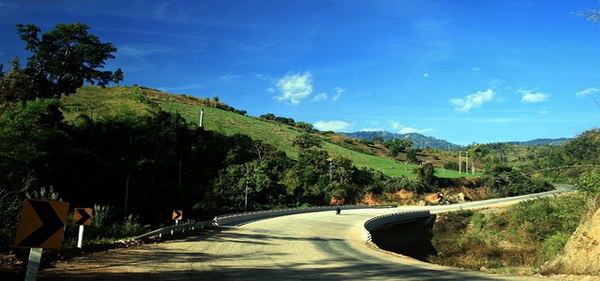
Pang Mapha district covers about 800 square kilometres and is located between Pai and Muang Mae Hong Son. It is one of the quiet mountain districts of Mae Hong Son Province in Northern Thailand.
Pang Mapha is one of the least densely populated districts in Thailand. And a bit of trivia: in the Shan language, ‘Pang’ translates to ‘stopping point’ and ‘Mapha‘ to ‘lime’. According to local Shan residents, Pangmapha was once a stopover point for the then long journey between Pai and Muang Mae Hong Son town. Apparently, wild limes once grew abundantly in the area. Pang Mapha is a quiet and affordable place to stay for travelers who enjoy caves, mountain scenery, trekking and local village life.

Pang Mapha or Soppong is known for the abundance of caves in the area, and some are among the largest in the world. Many have prehistoric relics that date back more than a thousand years. One such cave (Coffin Cave) is within walking distance of the Inn. Also, there is still real forest (including teak) and jungle in the area, unlike many other areas of Thailand that have been completely stripped of trees as a result of slash and burn agriculture. Unfortunately, as you travel down the mountain across from Pai to Mae Hong Son, you will see large new areas of slash and burn agriculture in the area of the Lisu village called Baan Nam Rin that has destroyed large swaths of native jungle, but not nearly as much as you will see in nearby Pai valley, which has been nearly completely stripped of old growth jungle. Given the forest cover, Soppong is known to be a good place for birding and butterfly watching. Wild orchids are in abundance everywhere, with the peak orchid blooming season being around March through May. On our property alone, there are at least eight different species of wild orchids growing in the trees.
Soppong is sometimes mistakenly spelled as Sappong – the Thai pronunciation and transliteration is more accurately spelled as Soppong rather than Sappong. Soppong is a small village located in a small valley in Amphur (County) Pang Mapha, not far from the Burmese border in Mae Hong Son province, Thailand. Soppong is on the main road, between Pai and Mae Hong Son town on the Mae Hong Son loop. The village is a trading and market centre for the many hilltribe villages that populate the area. There is a total of about 300 homes in the whole village area. The population is about 40% hilltribe (mostly Karen, Lisu and Lahu), 40% Burmese Shan, and 20% Thai and a few Haw Chinese muslim families as well. There are also a few Western tourists and even fewer Western residents. On any given day, you might hear four or five different languages spoken during a trip to the village market!

So is it really called Soppong or Pang Mapha ? Several years ago, the government created a new district (“Amphur” in Thai) in Mae Hong Son, and this was named Pang Mapha. Since every new district also comes with a village name by the same name as the districts, Pangmapha became the name for the Soppong area, and specifically for the area just outside the main village where the government offices are located. There is a lot of confusion regarding this, and some references state that “Soppong” has been replaced by “Pang Mapha“. Some travel publications will tell you that Soppong and Pangmapha “are used interchangeably”. Neither of those statements is accurate. There is still a place called “Baan Soppong” and that is where the main market area and bus stop is located. A traveling market is set up every Tuesday morning along the road in the main market area, with hilltribe people (Lisu. Red and Black Lahu. Karen, and Hmong) coming down from the mountains to sell their produce and wares. There are several other villages with their own names sprinkled around Pang Mapha district, and all those names remain as well, including Baan Pangmapha, which is about 1km from Baan Soppong. So, Soppong still exists, as well as the name for the district, Pang Mapha, as well as a village by the same name. You will see the district name “Pangmapha” in the directional and distance signs, and using the district name for such signs is standard in Thailand. It just happens that Soppong village is located very close to the Pang Mapha district centre, and if you follow those signs, you will arrive in Soppong.
Attractions in Pang Mapha

Tham Lod Cave
Lod cave or “Tham Lod cave“ is a huge cave system once a dwelling place of pre-historic man. Archaeologists have discovered ancient clay pottery and a number of carved wooden coffins inside the “rooms” of the cave. Tham Lot is located some 77 kilometres from town. Between Km.138 and Km.139 of Route 1095, a small roads lead to the cave after a 9-kilometre drive. Here nature has created an exotic subterranean wonder of darkness and mystery. A brook runs from the cave mouth through to the other side of the mountain. It is a route where visitors may travel by raft or by foot to explore the 1-kilometre-long cave full of stalactites and stalagmites. There are services provided by villagers to guide visitors in their exploration at 150 baht per group. Accommodation as well as camping site is available near the Tham Lot Nature Study Centre in front of the cave mouth.

Travel to nearby Tham Lod Cave to explore impressive caverns, ancient wooden coffins and bamboo rafting through the cave system. Experience the amazing BIRD SHOW as 300,000 swifts return to nest in the cave each evening. Or join in a full day guided adventure to one or several of the incredible caves in our wilderness area. Our expert guides can take you through world class passages.
The area around Cave Lodge is rich in prehistorical and historical sites, dating from more than 20,000 BP (Before Present) until 400 BP. We have been actively involved in the discovery and the recording of hundreds of these sites during the past 20 years.

Mae Lana Cave
Tham Mae Lana or “Tham Mae Lana“ is in Mae Lana village where tourist can see Thai Yai’s way of life. The cave is about 4 km. from this village.

Mae Lana Cave is known for its long underground stream, limestone formations and adventurous cave route. Visitors should be prepared for a challenging walk through the cave, with beautiful rock formations, stalactites, stalagmites and natural scenery along the way. This cave is suitable for experienced and adventurous travelers.
Ban Mae Lana
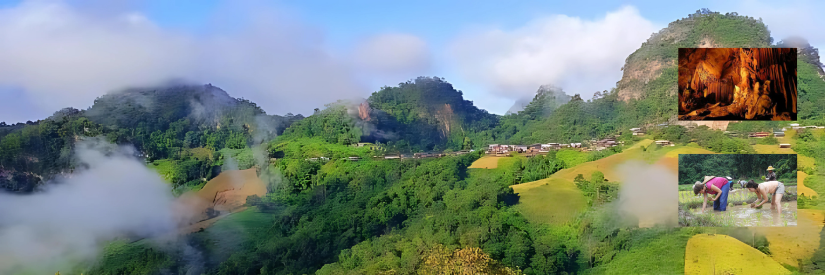
Ban Mae Lana in Mae Hong Son province is a must-stop for travelers exploring the northern loop. Experience a trek through limestone forests, enter mesmerizing caves, and meet warm Shan locals in their timeless home. This journey goes beyond sightseeing—into nature, history, and human connection.
Ban Ja Boe
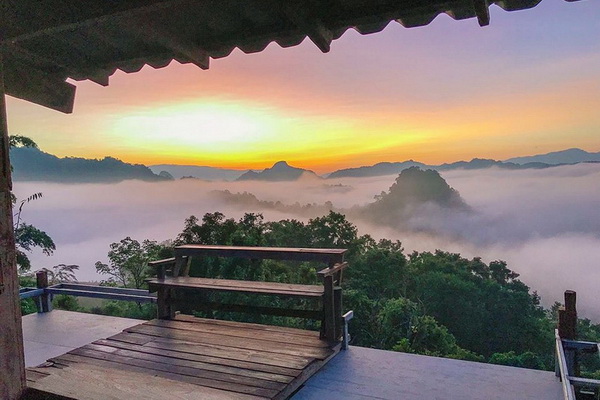
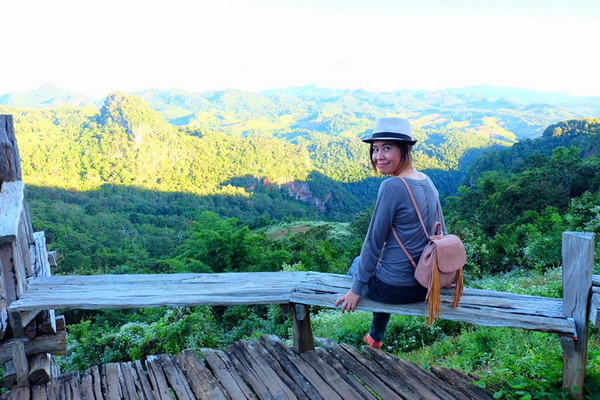
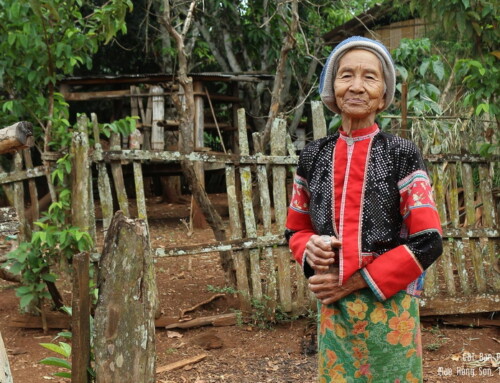
The village of Ban Ja Boe is one of the ‘unseen’ sites of Mae Hong Son. The authentic village is populated by the Lahu tribe and located on a mountain range overlooking a spectacular landscape of the entire area. The lovely thing of the village is, most of villagers are relatives. Also, they still wear their traditional costumes and speak their native language.


Ban Pha Mon
Explores Ban Pha Mon’s Red Lahu heritage, sustainable lifestyle, and eco-trekking experiences. It highlights how the village balances cultural preservation with environmental stewardship, offering travelers a profound cultural encounter within a Mae Hong Son tour package.


Ban Muang Pam
Ban Muang Pam is more than a scenic Karen village — it’s a deep dive into meaningful travel. You’ll join daily life, hike with purpose, and reconnect with values often forgotten. As part of the Mae Hong Son tour package, this village invites you to live gently and think deeply.
Our Services for Pang Mapha Tours and Trekking
- 2 Days Package Tour Chiang Mai to Pai – Pang Mapha
- 2 Days Package Tour Rafting along Pai River and Cave
- Mae Hong Son Loop 3 Day Tour
- 4 Days All Highlights Mae Hong Son Loop Tour
- 4 Days Package Tour Pai – Mae Hong Son Loop
- 4 Days Package Tour Mae Chaem – Mae Hong Son – Pai
- Mae Hong Son Trekking Programs
Pang Mapha Travel FAQ
Where is Pang Mapha?
Pang Mapha is a district in Mae Hong Son Province, located between Pai and Muang Mae Hong Son on the Mae Hong Son Loop route.
Is Pang Mapha the same as Soppong?
Soppong is the village name often used by travelers, while Pang Mapha is the district name. Many visitors use both names when talking about this area.
What is Pang Mapha famous for?
Pang Mapha is famous for limestone caves, Tham Lod Cave, Mae Lana Cave, mountain scenery, trekking routes and hill tribe villages.
Can I visit Pang Mapha from Pai?
Yes. Pang Mapha is located on the route between Pai and Mae Hong Son town, so it can be visited from Pai or included in a longer Mae Hong Son Loop tour.
Which Pang Mapha trek should I choose?
Choose Ban Mae Lana for Shan culture and cave scenery, Ban Jabo for Black Lahu culture and mountain views, Ban Pha Mon for Red Lahu culture and stronger hiking, or Ban Muang Pam for Karen culture and Lod Cave area.






Leave A Comment