

Phu Chi Fah : ‘Have a sightseeing above the clouds.’

If you’re tired of having a sightseeing on the ground, then why don’t you have a sightseeing above the clouds instead? A sightseeing above the clouds will be absolutely more interesting and stunning.
You don’t have to have a pair of wings to fly up to the clouds. That won’t be necessary at all. You just have to walk up to a mountain area that is very very high, and you’re done. But, which mountain is high so much that its peak sticks through the clouds? There are so many.
Therefore, if you don’t know any, then let’s visit ‘Phu Chi Fah’ in Chiang Rai, Thailand.
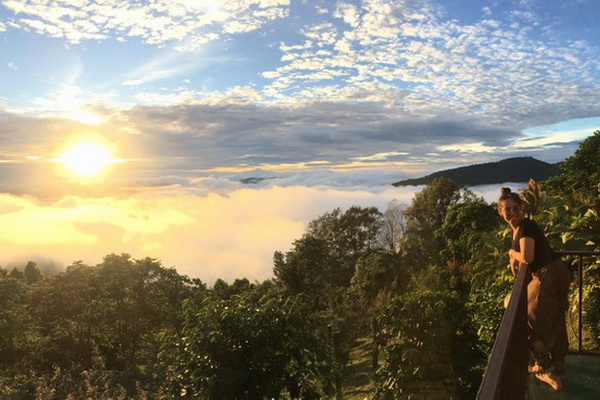
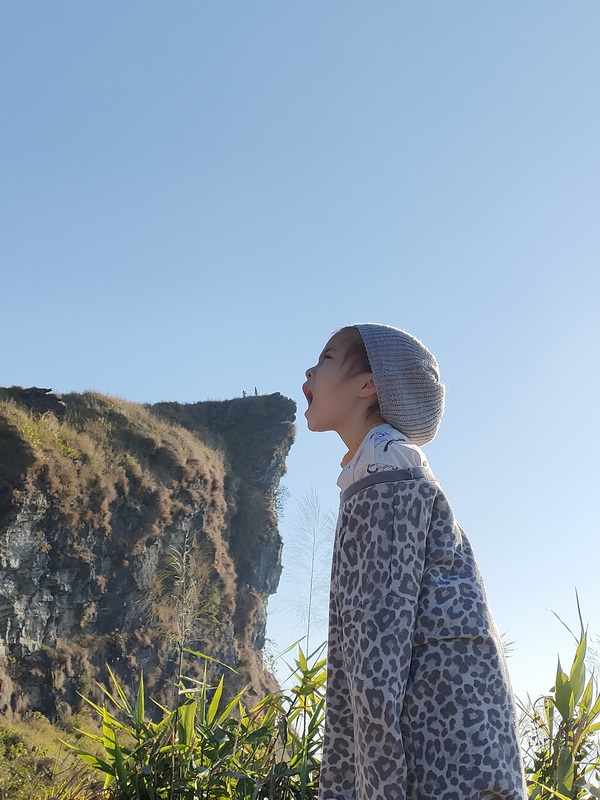
Phu Chi Fa Forest Park is one of the most iconic mountain destinations in Chiang Rai, famous for its dramatic cliff edge, sweeping sea of mist, and unforgettable sunrise views over the Thai–Lao border. Located in Thoeng District in the northeastern part of Chiang Rai Province, this highland destination has long captured the imagination of travelers who dream of cool mountain air, rolling green ridges, and a peaceful atmosphere far from the rush of city life. Although the area is currently associated with the protected forest park identity that many travelers still know well, the name Phu Chi Fah Forest Park remains the most familiar and widely recognized for tourism writing and travel content. It is about 1,628 metres higher than the sea level and millions square metres large. Its peak points directly up to the sky, sticks through the clouds. That is where the name ‘Phu Chifah’ came from. The word ‘phu’ means ‘mountain’ in English, ‘chi’ means ‘point’, and ‘fah’ means ‘sky’.
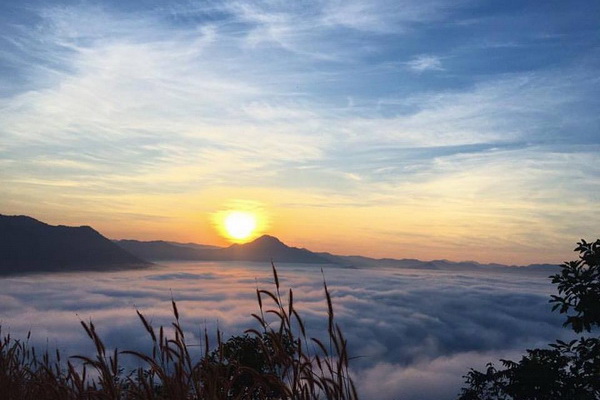
What makes Phu Chi Fah so memorable is not only the view itself, but the entire experience of being there. Travelers usually arrive while the sky is still dark, wrapped in layers against the cold, then slowly make their way toward the summit viewpoint. As dawn begins to break, a vast blanket of fog fills the valleys below, while the first golden light appears beyond the mountains of Laos. The landscape feels almost unreal, and for many visitors this is one of the most beautiful sunrise scenes in northern Thailand. Beyond the famous viewpoint, the surrounding area also offers mountain scenery, local accommodations, community-based transport, cool-season flowers, and a quiet rhythm of life that makes the journey feel rewarding from beginning to end.
🏔️ Geographic Character and Landscape
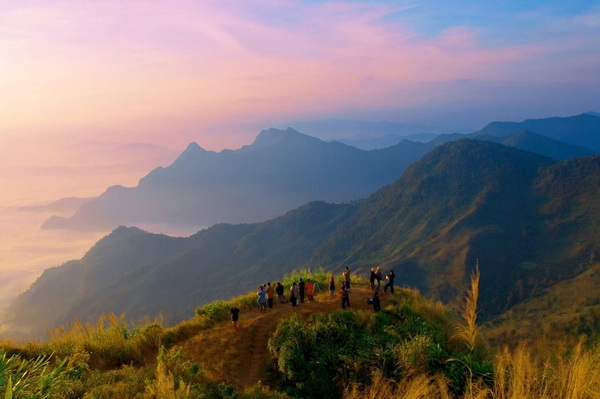
Phu Chi Fa lies within a mountainous section of Chiang Rai near the border with Laos, in an area connected to the Phi Pan Nam mountain range. The terrain is rugged and elevated, with ridges, steep slopes, forested valleys, and open grass-covered peaks that create a striking natural profile. The most famous point in the area stands at approximately 1,628 meters above sea level, making it one of the best-known high-altitude viewpoints in northern Thailand. The name “Phu Chi Fa” comes from the distinctive shape of the mountain itself. Its sharp, protruding cliff resembles a finger pointing up into the sky, which gives the place both its poetic identity and its visual symbolism.
The broader terrain around the viewpoint is shaped by mountain folds and drainage lines that feed important local watersheds. The slopes are often steep, and some sections of road and walking paths curve along narrow ridgelines. This geography is one reason the area feels so dramatic. From the summit, the land seems to drop away into layers of mist-filled valleys, especially during the cool season. Looking outward from the edge, visitors can see an expansive mountain panorama stretching toward Laos, which adds to the sense of openness and scale. Unlike some viewpoints that require long trekking routes, Phu Chi Fah offers a mountain-top reward that is relatively accessible, which has helped make it one of the best-loved scenic spots in Chiang Rai.
🌤️ Climate and Seasonal Atmosphere
The climate at Phu Chi Fa is one of the reasons travelers are drawn to it year after year. Because the area sits at high elevation, the weather is noticeably cooler than in Chiang Rai town and much cooler than in the lowlands of Thailand. During the cool season, especially from November to February, temperatures can drop sharply in the early morning and at night. Visitors often experience cold wind before sunrise, and warm clothing is essential. It is this chilly air, combined with moisture trapped in the valleys below, that helps create the sea of mist for which Phu Chi Fa is famous.
The best time to visit is generally during the late rainy season into the cool season, when the mountain is lush and green but the skies also begin to clear. November through January is often considered the classic period for a visit because the weather is cold, the chance of mist is high, and sunrise visibility can be spectacular. December and January are particularly popular, so the area can become crowded during holidays and long weekends. During the rainy season, the mountain is beautifully green and fresh, but roads may be slippery, visibility may be reduced, and conditions can change quickly. In some periods, access regulations or seasonal closures may apply for safety and environmental recovery, so travelers should always check the latest local notices before departure.

🌿 Flora and Forest Environment
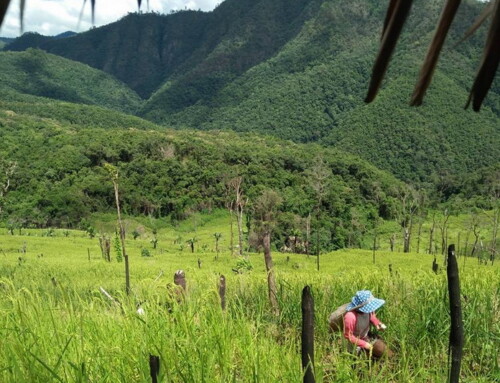
The natural vegetation of Phu Chi Fah Forest Park is one of its most interesting ecological features. The area includes a mixture of forest and open highland vegetation, rather than a single uniform ecosystem. Lower and mid-elevation areas contain woodland and evergreen elements, while the upper ridges become more open and are characterized by grassland-like mountain scenery. This blend of forest and exposed hilltop terrain is part of what makes the place visually special. The summit zone, in particular, is known for its broad grass-covered landscape, which glows beautifully in the first light of morning.
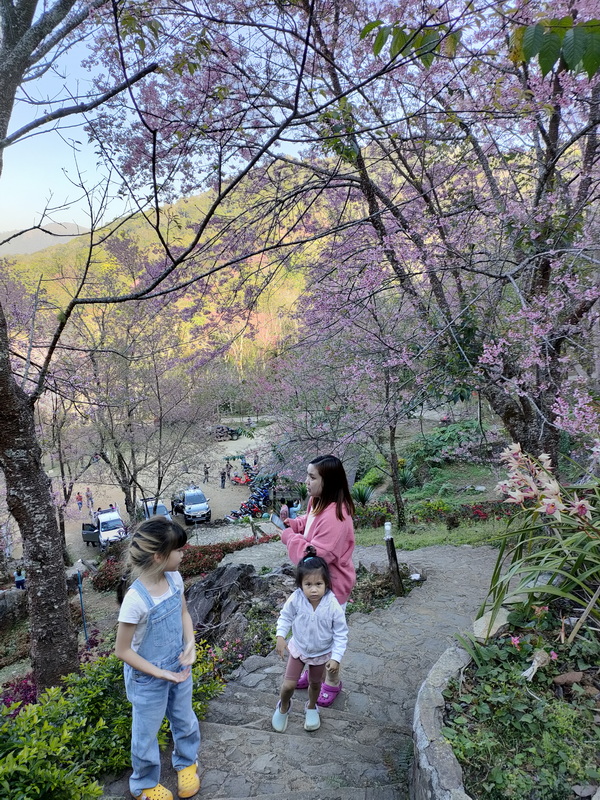
Various native plant communities can be found throughout the area, including species typical of hill evergreen forest, mixed deciduous forest, and dry upland forest. Travelers may also notice seasonal wild growth, ferns, mosses, shrubs, and grass species that respond dramatically to weather changes across the year. During the rainy season, the mountain feels intensely green and alive. During the cool season, the grasslands take on golden and earthy tones that make the ridges look even more striking under sunrise light. The road network around the Phu Chi Fah area can also become especially scenic in the flowering season, when cool-climate blooms and mountain vegetation add more color to the already beautiful route.
📍 Main Attractions Around Phu Chi Fa
Phu Chi Fa Forest Park is more than a single sunrise viewpoint. The wider area includes several beautiful mountain attractions and local villages that can turn a short visit into a fuller Chiang Rai highland experience. Travelers who plan well can enjoy not only the famous summit, but also nearby peaks, scenic ridges, and cultural stops that reveal more of the region’s character.
The most famous attraction is Phu Chi Fa Peak, the main viewpoint known for its spectacular sea of mist and sunrise panorama. This is the signature image of the destination and the reason most people come. From the parking area, visitors usually walk about 750 meters to reach the viewpoint. The route is not too long, but the uphill path and cold early-morning conditions make comfortable shoes and warm clothing a smart choice.
Not far away is Phu Chi Dao, a viewpoint loved for its 360-degree panorama. From here, travelers can admire the surrounding mountains from a broader and more elevated perspective, and on clear days even see Phu Chi Fa from above. It is a great option for those who want a more expansive sense of the mountain range rather than only the classic sunrise scene.
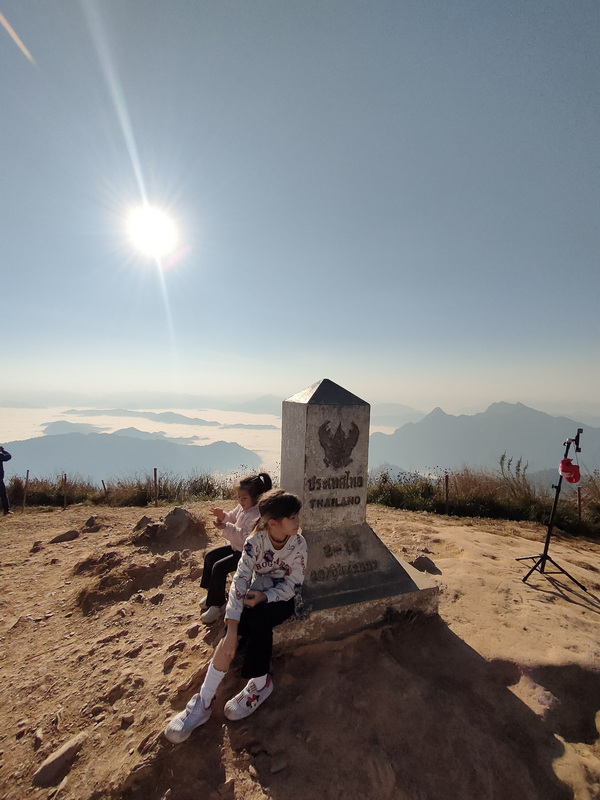
Continuing onward, Phu Chi Duean offers another appealing highland stop. This viewpoint is known for its layered mountain scenery and peaceful atmosphere, making it ideal for travelers who enjoy quiet landscapes. It is also considered suitable for camping, so it appeals to people who want a more immersive overnight mountain experience.
About 24 kilometers away, Doi Pha Tang adds another dimension to the trip. This destination is famous for dramatic rock formations, including the well-known Pha Bong rock gap, as well as viewpoints overlooking the Mekong River. It offers scenery that feels different from Phu Chi Fa, making it an excellent extension for travelers exploring the wider area.
For a more local and cultural experience, Ban Rom Fa Thong or Rom Fa Thai Village gives visitors a chance to see mountain community life more closely. These villages add warmth and personality to the journey, allowing travelers to connect the beauty of the landscape with the traditions and everyday culture of the people who live in the area.
🏕️ Accommodation and Overnight Stay
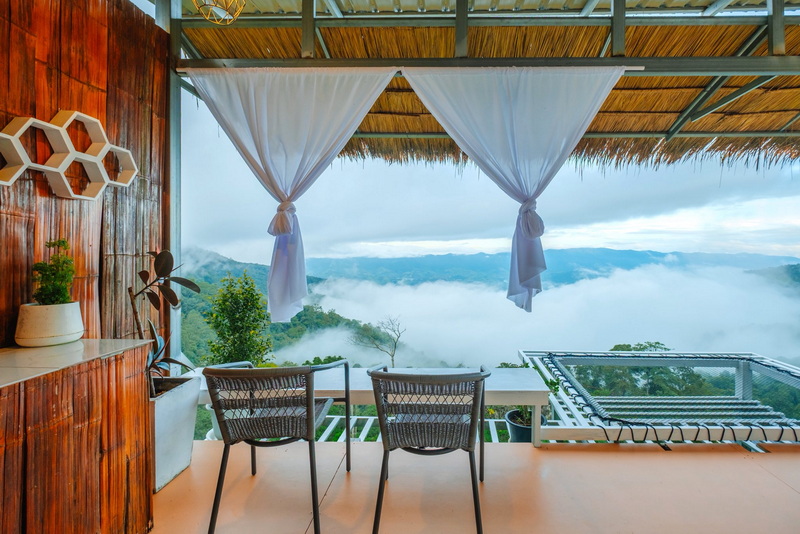
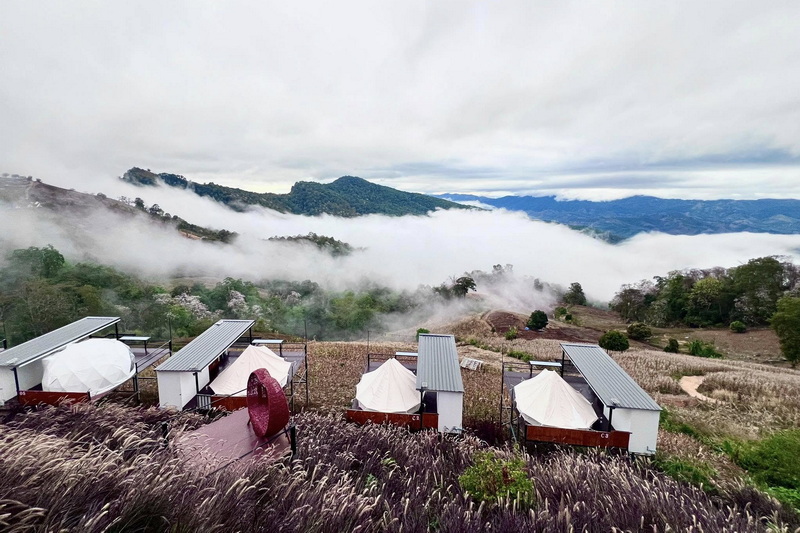
Staying overnight near Phu Chi Fa is highly recommended, especially for travelers who want to catch sunrise without rushing through the journey. The area has a range of simple accommodations, including local guesthouses, small resorts, and seasonal camping options. While many places are modest rather than luxurious, that simplicity suits the mountain setting and often becomes part of the charm.
An overnight stay also gives travelers more time to enjoy the surroundings. Instead of arriving and leaving in a hurry, you can experience the cool evening air, wake before dawn without stress, and perhaps continue to nearby viewpoints after sunrise. During the cool season, accommodations can fill quickly, so planning ahead is a good idea.


🚗 Transportation and Getting There
Most travelers reach Phu Chi Fa from Chiang Rai city by road, usually passing through Thoeng District before heading up into the mountains. The route is scenic, but it includes winding uphill sections that require careful driving, especially in darkness, fog, or wet weather. For this reason, many visitors choose to arrive in the afternoon, stay overnight, and head to the viewpoint early the next morning.
Public transport is possible but less convenient than traveling by private car. Travelers without their own vehicle often rely on local transport connections or arrangements made through accommodation providers. Checking transport details in advance is important, especially in peak season when schedules and availability may be tighter.
You can also go to Phu Chifah by driving along the Highway No.1021(Toeng-Chiangkam-Ban Huag). As soon as you find a junction just before Chiangkam, you should turn right and keep going for about 30 kilometres before you can reach your destination. If you do not have car, you can contact travel agency in Chiang Mai to provide a private tour or car rental with driver for your group to get more comfortable and no worry about traveling.
💵 Entrance Fees and Travel Costs
When planning a visit to Phu Chi Fa, travelers should prepare for general travel costs such as accommodation, food, parking, and local transport. Depending on current management and seasonal arrangements, extra charges may apply for vehicle services or camping-related facilities. Even so, Phu Chi Fa remains a destination that can be enjoyed without an extravagant budget.
The key is not luxury spending, but good preparation. Warm clothes, suitable shoes, transport planning, and an overnight stay nearby often make more difference to the quality of the trip than anything else. For most visitors, the reward is well worth the effort.
Note : Not accessible for wheelchair user
Our services :
Phu Chi Fah Map



Leave A Comment